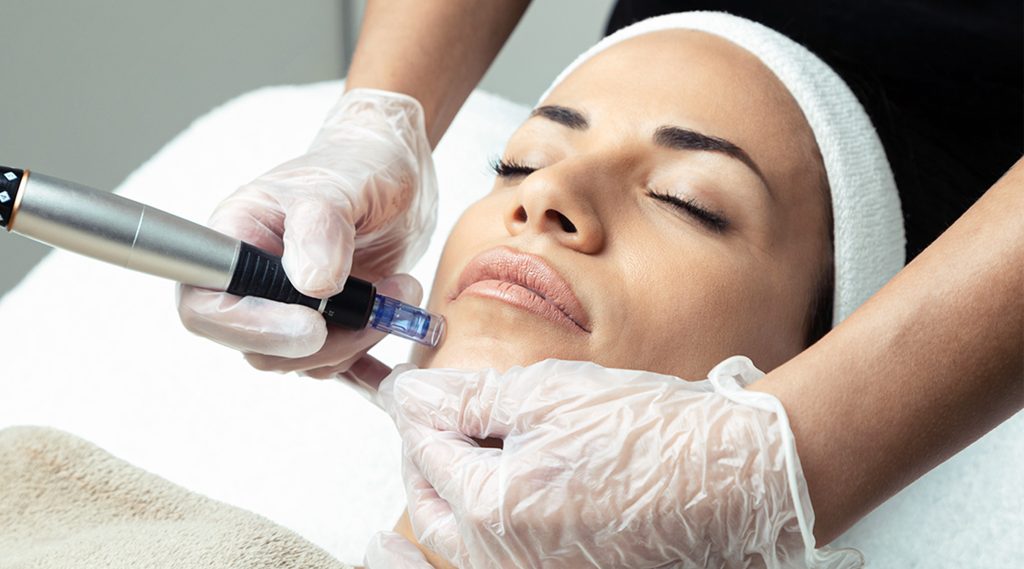

LED light therapy has become a popular addition to skincare routines because it offers a non-invasive way to support skin health without the use of harsh treatments. These devices use specific wavelengths of light to target different skin concerns, including acne, uneven skin tone, and visible signs of ageing. However, choosing the right LED light therapy machine requires more than comparing prices or selecting a device based on its appearance. Understanding the available light colours, your skincare goals, device safety, and ease of use can help you make an informed decision and choose a machine that suits your needs. Aesthetic Bureau offers a range of LED light therapy machines at https://aestheticbureau.com.au/led-light-therapy-machines/ to support professional skincare treatments and address various skin concerns.
Understand Your Skincare Goals
Before purchasing an LED light therapy machine, identify the skin concerns you want to address. Different devices use different wavelengths of light, and their intended applications can vary. For example, blue light is commonly used in acne-focused treatments because it can affect certain acne-associated bacteria. Red light is studied for its potential effects on inflammation, skin texture, and signs of ageing, while near-infrared light is used in some devices designed to reach deeper tissues. Results depend on the device, treatment protocol, and individual skin characteristics.
If your main concern is occasional breakouts, a device designed for acne-prone skin may be more suitable than one marketed primarily for improving the appearance of fine lines. People concerned about dullness, uneven texture, or visible ageing may prefer a device offering red light within a clearly specified wavelength range. Identifying your priorities before shopping helps narrow your options and reduces the likelihood of paying for features that do not match your skincare routine.
Learn About Different LED Light Colours
Understanding the purpose of different light colours can help you compare LED devices more effectively. Blue light is generally associated with acne-focused treatments, while red light is commonly investigated for its potential to support skin appearance and help manage inflammation. Some machines combine red and blue light to address more than one concern. Near-infrared light is another option available in certain devices, although its effects and intended uses depend on the wavelength and treatment design.
It is important to remember that the colour of the light alone does not establish how effective a device will be. Two machines that appear similar may differ in wavelength accuracy, light intensity, treatment duration, and overall design. Look for manufacturers that clearly state the wavelengths their devices produce and explain their intended use. Reliable product information is more useful than broad marketing claims promising dramatic changes in a short period.
Check Device Specifications and Quality
Technical specifications provide important information when comparing an LED light therapy machine. Look for details about wavelength, irradiance, treatment distance, session duration, and recommended frequency of use. Irradiance describes the amount of optical power reaching a given area, commonly expressed in milliwatts per square centimetre. These details help explain how the device is intended to deliver light during a session, although no single specification guarantees a particular skincare outcome.
Build quality and product reliability also matter. Examine the materials, controls, power supply, warranty, and availability of customer support. If the manufacturer provides clinical evidence, check whether it relates to the actual device being sold rather than LED light therapy in general. Independent testing, clear operating instructions, and transparent specifications can help you distinguish a well-documented product from one supported mainly by promotional claims.
Choose a Device That Fits Your Routine
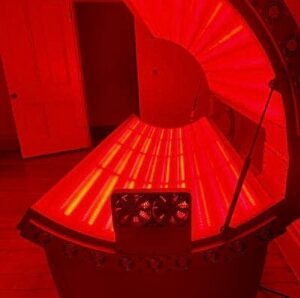
LED light therapy machines come in several formats, including facial masks, handheld devices, tabletop panels, and larger systems designed to cover more extensive areas. A facial mask may be convenient for people who want a hands-free treatment while sitting comfortably at home. Handheld devices can provide more targeted coverage, but they may require additional time and careful positioning. Panels can cover a larger area, although their size, treatment distance, and setup requirements should be considered before purchase.
Think about how much time you can realistically dedicate to skincare and whether you have enough space to store and operate the machine. A device with straightforward controls and a manageable session length may be easier to use consistently than a complicated system with several accessories. Before buying, check whether the machine is designed for home use and whether its instructions clearly explain how to position it, how long to use it, and how frequently treatments should be performed.
Consider Safety and Skin Sensitivity
Safety should be a central consideration when selecting an LED light therapy device. Read the manufacturer’s instructions and warnings carefully, especially if you have sensitive skin, an existing skin condition, or a history of reactions to light-based treatments. Some medications and skincare products can increase sensitivity to light, so seek advice from a healthcare professional if you are unsure whether the treatment is appropriate for you.
Eye protection is another important factor. Follow the device instructions regarding protective eyewear and avoid looking directly into powerful light sources. Do not assume that a device is safe simply because it is marketed for home use. Choose products with clear safety guidance, and stop using the machine if you experience unusual discomfort, persistent redness, or irritation. Consult a qualified healthcare professional if symptoms continue or worsen.
Compare Prices, Warranty, and Manufacturer Support
LED light therapy machines are available across a wide range of price points. While a higher price may reflect additional features, a larger treatment area, or more extensive testing, it does not automatically mean that a device will produce better results. Compare the technical specifications, included accessories, warranty terms, replacement-part availability, and return policy before making a purchase. These factors can influence the overall value of the machine over time.
Be cautious of products that promise immediate results, claim to treat every skin condition, or rely on dramatic before-and-after photographs without explaining the treatment conditions. Look for clear information about realistic expectations and limitations. If a manufacturer provides clinical studies, check the study design and whether the research supports the specific claims being made. A transparent company should provide understandable instructions and a practical way to contact customer support when questions arise.
Understand the Importance of Consistent Use
LED light therapy generally requires repeated sessions according to the device’s recommended treatment schedule. Results, where they occur, may take time and can differ between individuals. Factors such as the nature of the skin concern, the device’s characteristics, and the rest of your skincare routine can influence the outcome. Following the manufacturer’s directions is more appropriate than increasing treatment time or frequency in an attempt to accelerate results.
A balanced skincare routine remains important. Gentle cleansing, suitable moisturising, and daily sun protection can support general skin health alongside appropriate light-based treatments. LED therapy should not be viewed as a replacement for prescribed acne treatment, medical assessment, or other care recommended by a qualified professional. Keeping track of your skin’s response over several weeks may help you determine whether the device is suitable for your needs.
Conclusion
Choosing the right LED light therapy machine involves understanding your skincare goals, comparing wavelengths and technical specifications, evaluating safety features, and selecting a format that fits your lifestyle. Consider the quality of the manufacturer’s information, the device’s intended use, and the support available after purchase rather than relying on appearance or price alone. With realistic expectations and consistent, careful use, an appropriate device may become a useful part of your skincare routine. If you have persistent acne, unexplained skin changes, or a medical skin condition, consult a qualified healthcare professional before starting treatment.